
By Dr. Abdul Salam Al-Eithan
Founder & CEO of Nesma Real Estate, Dubai
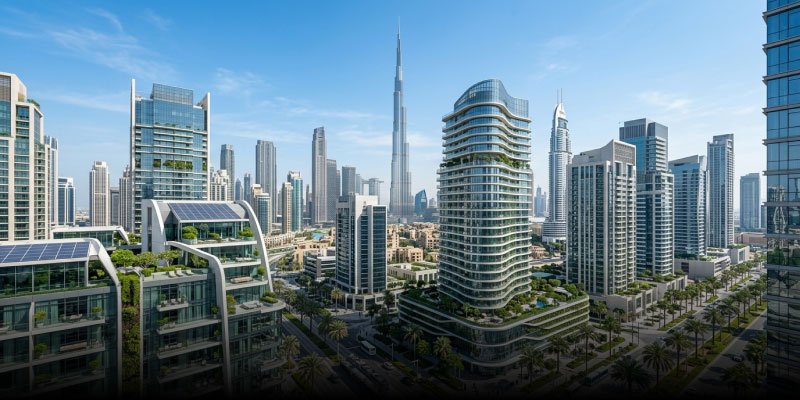
Dubai is considered one of the most technologically advanced cities in the world, continuously striving to lead in the field of smart cities. This vision also extends to the real estate sector, where advanced technologies are increasingly being used in property development and management to enhance quality of life and operational efficiency.
Smart Homes
One of the most prominent examples of advanced technology in Dubai’s real estate sector is smart homes. These homes rely on artificial intelligence (AI) and the Internet of Things (IoT) to provide residents with enhanced comfort, convenience, and security.
For instance, smart homes allow residents to control lighting and electrical appliances remotely, monitor properties through surveillance cameras, and even lock or unlock doors and windows via mobile applications.
According to a report by Statista, Dubai’s smart home market is expected to grow at a compound annual growth rate (CAGR) of 17.3% between 2023 and 2028, reaching approximately $10.5 billion by 2028.
Smart Cities
The use of advanced technology in Dubai goes beyond homes to encompass the broader concept of smart cities. Big data analytics and cloud computing are utilized to improve quality of life and optimize resource management.
For example, data collected on traffic patterns and pollution levels can help city planners make better decisions, while cloud-based systems enhance public services such as lighting, transportation, and municipal operations—ultimately reducing costs and increasing efficiency.
According to a report by IDC, Dubai’s smart city market is projected to grow at a CAGR of 18.2% from 2023 to 2028, reaching $22.5 billion by 2028.
The Future of Smart Real Estate in Dubai
Smart real estate technologies are expected to continue evolving rapidly in Dubai over the coming years. The UAE government aims to position Dubai as a global hub for smart cities, which will significantly drive demand for smart properties.
A report by PwC indicates that smart real estate could account for 50% of all properties in Dubai by 2030, reflecting a strong shift toward technology-driven living environments.
Benefits of Smart Real Estate
Smart real estate offers several key advantages, including:
Comfort and Security: Easy control of home systems and enhanced property monitoring.
Energy Efficiency: Optimized energy consumption through intelligent systems.
Sustainability: Better resource management supporting environmental goals.
Challenges of Smart Real Estate
Despite its benefits, smart real estate faces certain challenges:
High Costs: Smart properties can be more expensive than traditional ones.
Cybersecurity Risks: Increased reliance on technology may introduce security vulnerabilities.
Regulatory Uncertainty: Legal frameworks governing smart real estate are still evolving.
Conclusion
Dubai continues to lead the way in smart city innovation, with strong ambitions to dominate the smart real estate sector as well. As technology advances, demand for smart properties is expected to grow significantly, contributing to improved living standards and a more sustainable urban future.
Join The Discussion